- Apr 15, 2026
- 0 Comments
In today’s dynamic industrial landscape, ensuring a safe work environment is no longer just a regulatory requirement—it is a strategic investment that directly impacts productivity, reputation, and long-term sustainability. Across rapidly growing industrial sectors in India, including manufacturing, construction, energy, and infrastructure, organizations are increasingly prioritizing safety as a core business function. This shift is driven not only by compliance needs but also by the realization that a strong safety framework leads to operational excellence.
This guide offers an insightful introduction to the world of technical, safety, and quality services, setting the stage for organizations to embrace a proactive and transformative approach to industrial safety. By leveraging expert inspections and maintaining strict adherence to safety protocols, businesses can achieve premium quality outcomes while safeguarding their workforce and assets.
The Evolving Importance of Industrial Safety
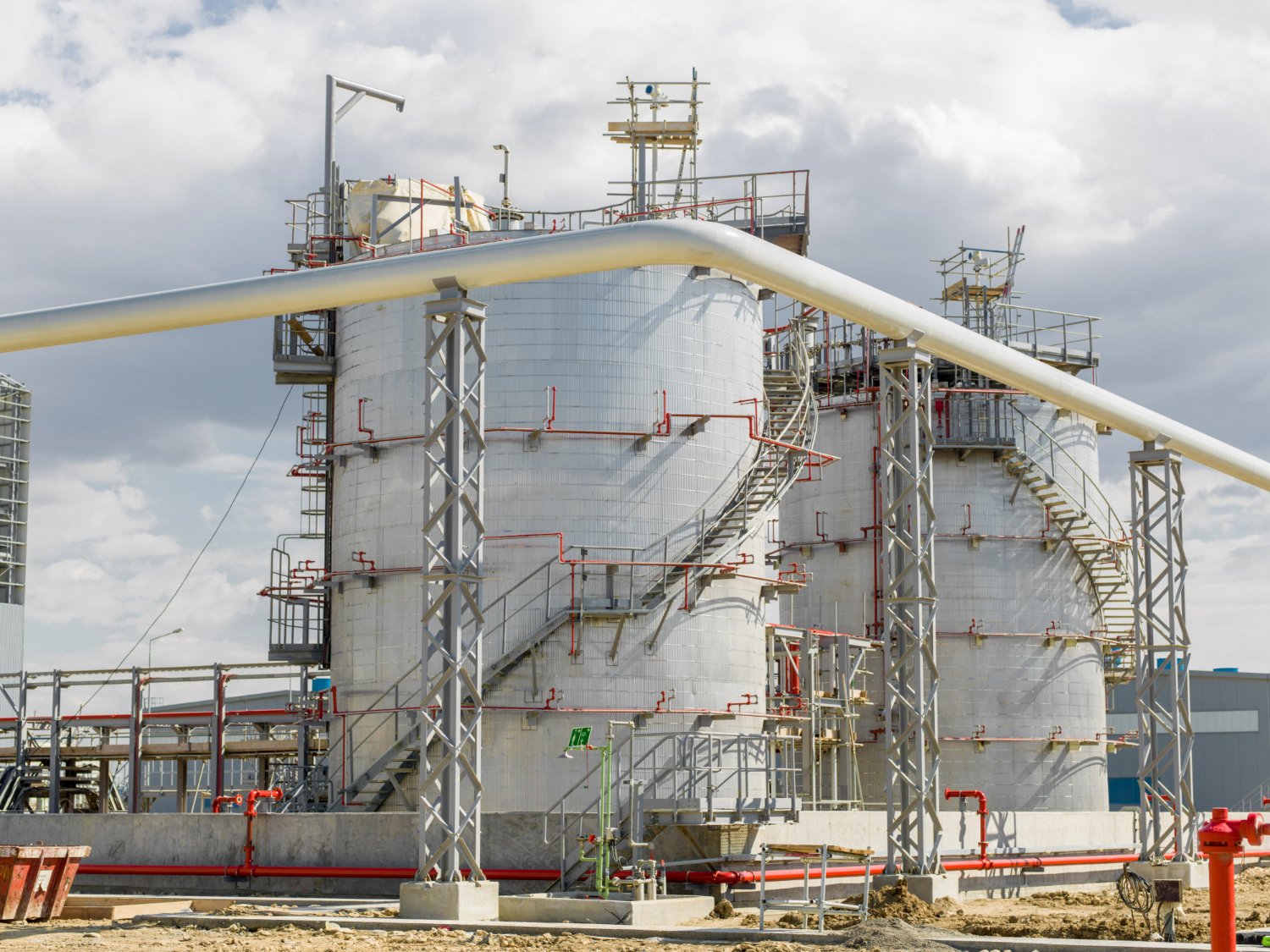
Industrial environments are complex, often involving heavy machinery, hazardous materials, and high-risk processes. In such settings, even a minor lapse in safety can lead to significant consequences, including injuries, operational downtime, and financial losses.
In India’s expanding industrial ecosystem—particularly in regions like Maharashtra, Gujarat, and Karnataka—companies are under increasing pressure to maintain high safety standards while meeting production demands. This makes it essential to adopt a structured and comprehensive approach to safety management.
Safety is no longer viewed as a cost center; instead, it is recognized as a value driver that contributes to efficiency, employee well-being, and brand credibility.
The Role of Technical, Safety, and Quality Services
Technical, safety, and quality services form the backbone of an effective industrial safety system. These services encompass a wide range of activities designed to ensure that equipment, processes, and environments meet established standards.
1. Technical Inspections
Technical inspections involve the evaluation of machinery, equipment, and infrastructure to ensure they are functioning safely and efficiently. Regular inspections help identify potential issues before they escalate into major problems.
2. Safety Assessments
Safety assessments focus on identifying workplace hazards and evaluating risks. These assessments provide valuable insights into areas that require improvement, enabling organizations to take corrective action.
3. Quality Assurance
Quality assurance ensures that products and processes meet predefined standards. By maintaining high quality, organizations can reduce defects, improve customer satisfaction, and enhance overall performance.
Together, these services create a holistic framework that supports both safety and operational excellence.
Building a Strong Foundation for Safety Excellence
Achieving industrial safety excellence requires more than just implementing policies—it demands a strong foundation built on best practices, expertise, and continuous improvement.
1. Commitment from Leadership
Leadership plays a crucial role in driving safety initiatives. When top management prioritizes safety, it sets the tone for the entire organization.
Leaders must:
- Allocate resources for safety programs
- Establish clear safety goals
- Encourage accountability at all levels
2. Adoption of Best Practices
Implementing industry best practices ensures consistency and reliability in safety management. These practices are often based on international standards and proven methodologies.
Examples include:
- Regular equipment maintenance
- Use of personal protective equipment (PPE)
- Clear safety signage and labeling
- Standard operating procedures (SOPs)
3. Employee Engagement and Training
Employees are at the forefront of industrial operations, making their involvement critical to safety success. Regular training programs help workers understand risks and follow safe practices.
Training should cover:
- Hazard identification
- Emergency response procedures
- Safe equipment handling
- Reporting of safety incidents
The Power of Expert Inspections
Expert inspections are a key component of industrial safety excellence. Conducted by experienced professionals, these inspections provide a detailed and unbiased evaluation of workplace conditions.
Benefits of Expert Inspections:
In India, many organizations rely on third-party inspection agencies to ensure objectivity and expertise. These professionals bring in-depth knowledge of industry standards and regulatory requirements, helping businesses stay compliant and competitive.
Ensuring Compliance with Safety Protocols
Compliance is a critical aspect of industrial safety. Organizations must adhere to various regulations and standards to ensure safe operations.
Key Steps for Effective Compliance:
Compliance should not be viewed as a one-time effort but as an ongoing process that evolves with changing regulations and industry practices.
Integrating Quality with Safety
Quality and safety are closely interconnected. Poor quality can lead to safety risks, while strong safety practices often result in better quality outcomes.
For example:
By integrating quality assurance into safety management, organizations can achieve higher efficiency and reliability.
Leveraging Technology for Enhanced Safety
Modern technology is transforming the way industries approach safety. Digital tools and advanced systems enable organizations to monitor, analyze, and improve safety performance in real time.
Some key technologies include:
These innovations not only improve accuracy but also make safety management more efficient and scalable.
Overcoming Challenges in Industrial Safety
To overcome these challenges, organizations must adopt a proactive approach, invest in training, and foster a culture of continuous improvement.
Creating a Culture of Safety Excellence
A strong safety culture is the foundation of long-term success. It involves creating an environment where safety is a shared responsibility and a core organizational value.
Key elements of a safety culture include:
When safety becomes part of the organizational mindset, it leads to fewer incidents, higher productivity, and greater employee satisfaction.
Conclusion
Empowering safety in industry is not just about meeting regulatory requirements—it is about building a resilient and forward-thinking organization. By investing in technical, safety, and quality services, businesses can create a robust foundation for industrial safety excellence.
Through expert inspections, strict adherence to safety protocols, and a commitment to continuous improvement, organizations can achieve premium quality outcomes while protecting their workforce and assets.
In India’s rapidly growing industrial landscape, prioritizing safety is a strategic move that drives efficiency, enhances reputation, and ensures long-term success. By taking the right steps today, businesses can pave the way for a safer, more productive, and sustainable future.